Flexographic printing (flexo) is the dominant print process for flexible packaging and labels — and increasingly for functional printing applications. A number of other methods, from digital to screen and inkjet, are growing in use alongside it. This page covers flexo and the other print technologies commonly used in R2R converting.
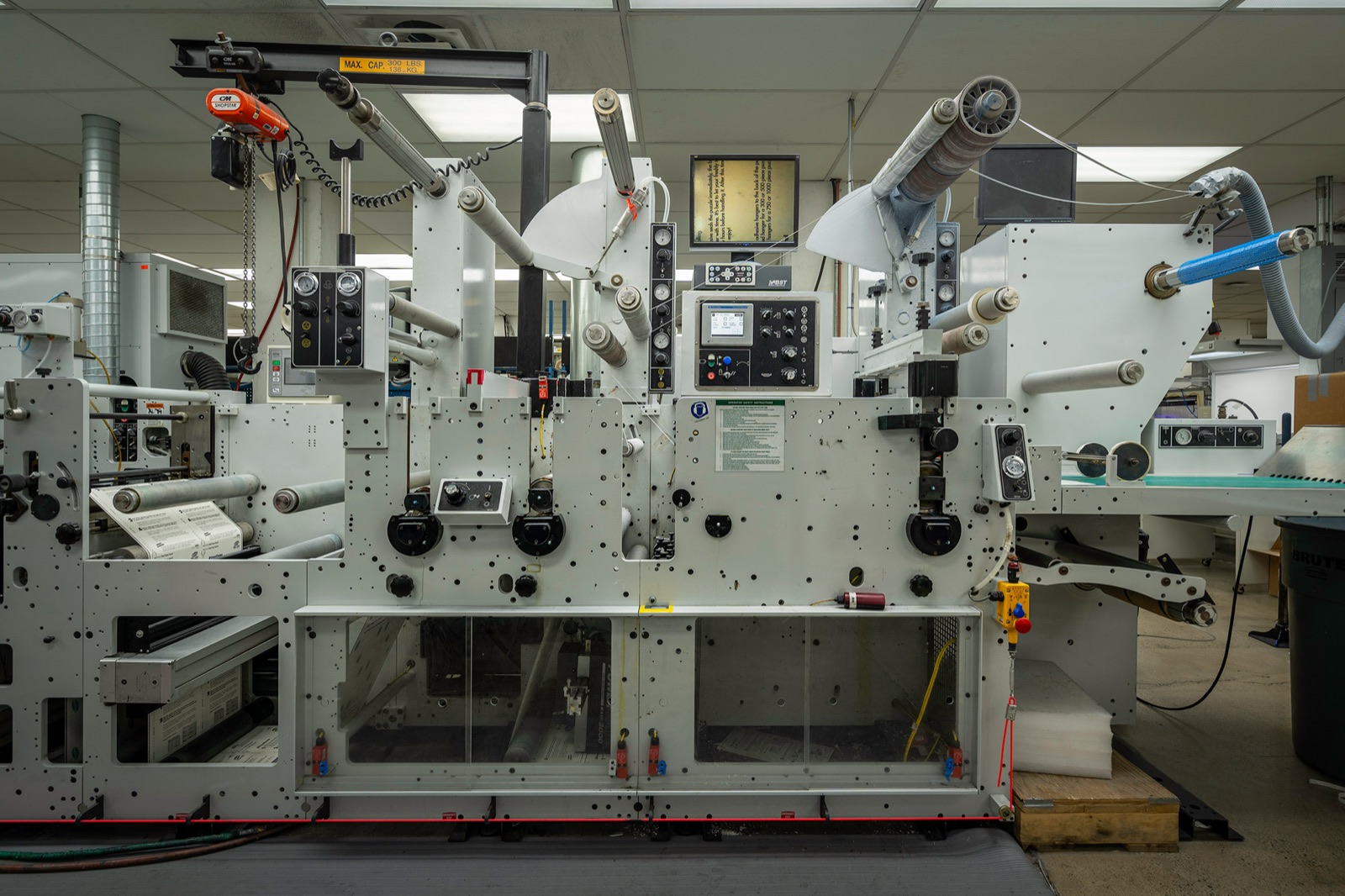
Flexographic Printing
Flexo uses a flexible raised-image printing plate — typically made from photopolymer — mounted on a cylinder. Ink is metered from a fountain roll via an anilox roll (an engraved roll that controls ink volume) to the raised areas of the plate, which then transfer ink to the web.
- Anilox roll
- The heart of a flexo deck: a hard, engraved roll with a fine cell structure that meters a precise, repeatable volume of ink from the fountain to the printing plate.
- Doctor blade
- Used in enclosed chamber systems to wipe excess ink from the anilox surface, leaving only what's in the cells.
- Plate
- The flexible photopolymer plate carries the raised image that directly contacts the web. One plate is required for each color.
Common Flexo Press Configurations
Central Impression (CI)
All print decks print against a single large central drum. Excellent registration because the web never leaves the drum between colors. Standard for most flexible packaging.
In-Line Stack
Individual print decks arranged in a horizontal line; the web passes sequentially through each. More economical for narrow widths; registration is more sensitive to web tension.
Stack Press
Print decks stacked vertically or in a tower configuration. Compact footprint; commonly used for narrower label printing.
Other R2R Print Methods
Digital (Inkjet)
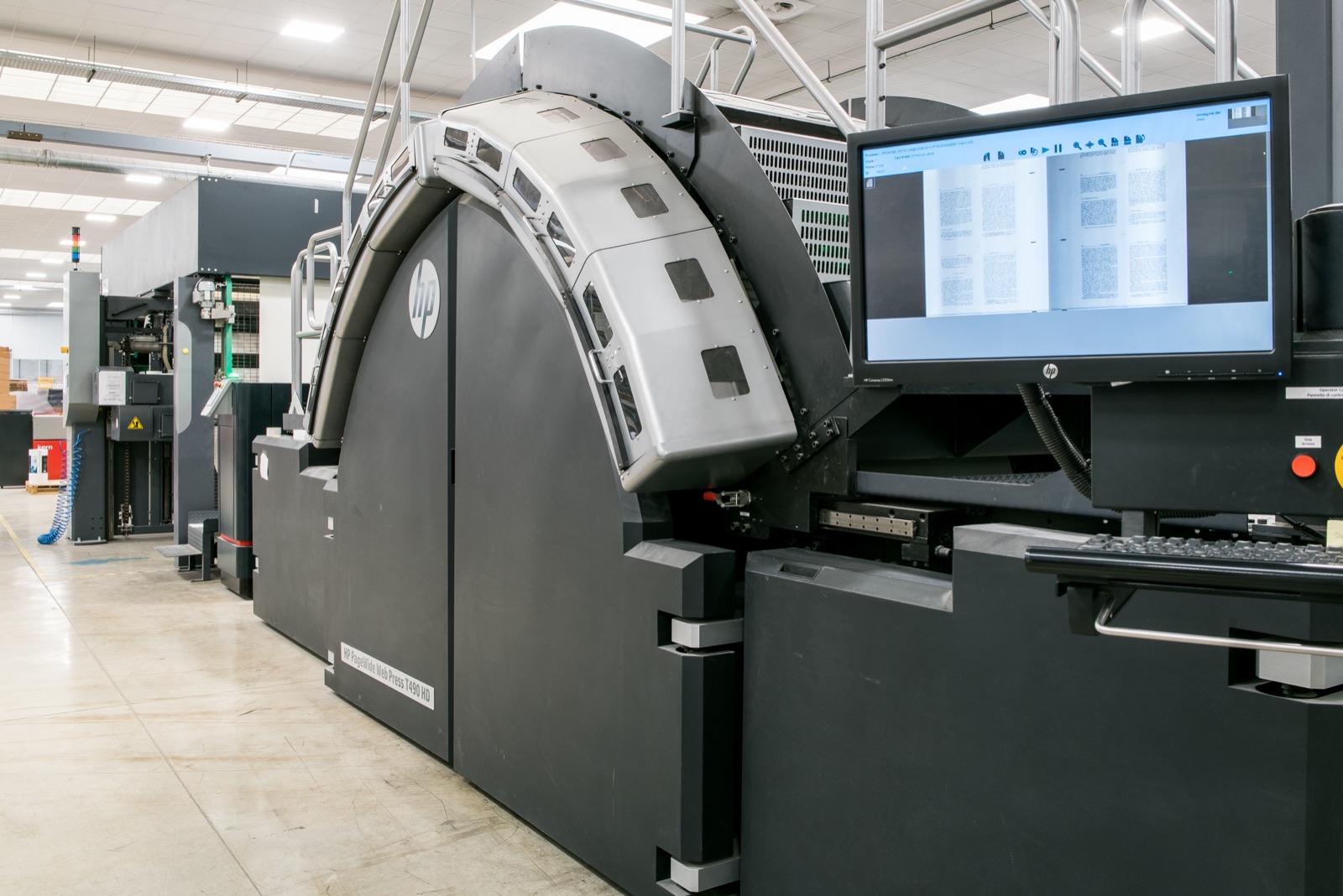
Non-contact process: droplets of ink are ejected directly onto the web from a printhead array. No plates required — each pass can print different content, making digital the natural choice for variable-data printing, short runs, and print-on-demand applications.
Why use it
No plates, no setup time, variable data. Economics improve for short and medium runs.
Common uses
Labels, packaging, direct mail, functional printing where content varies.
Screen Printing
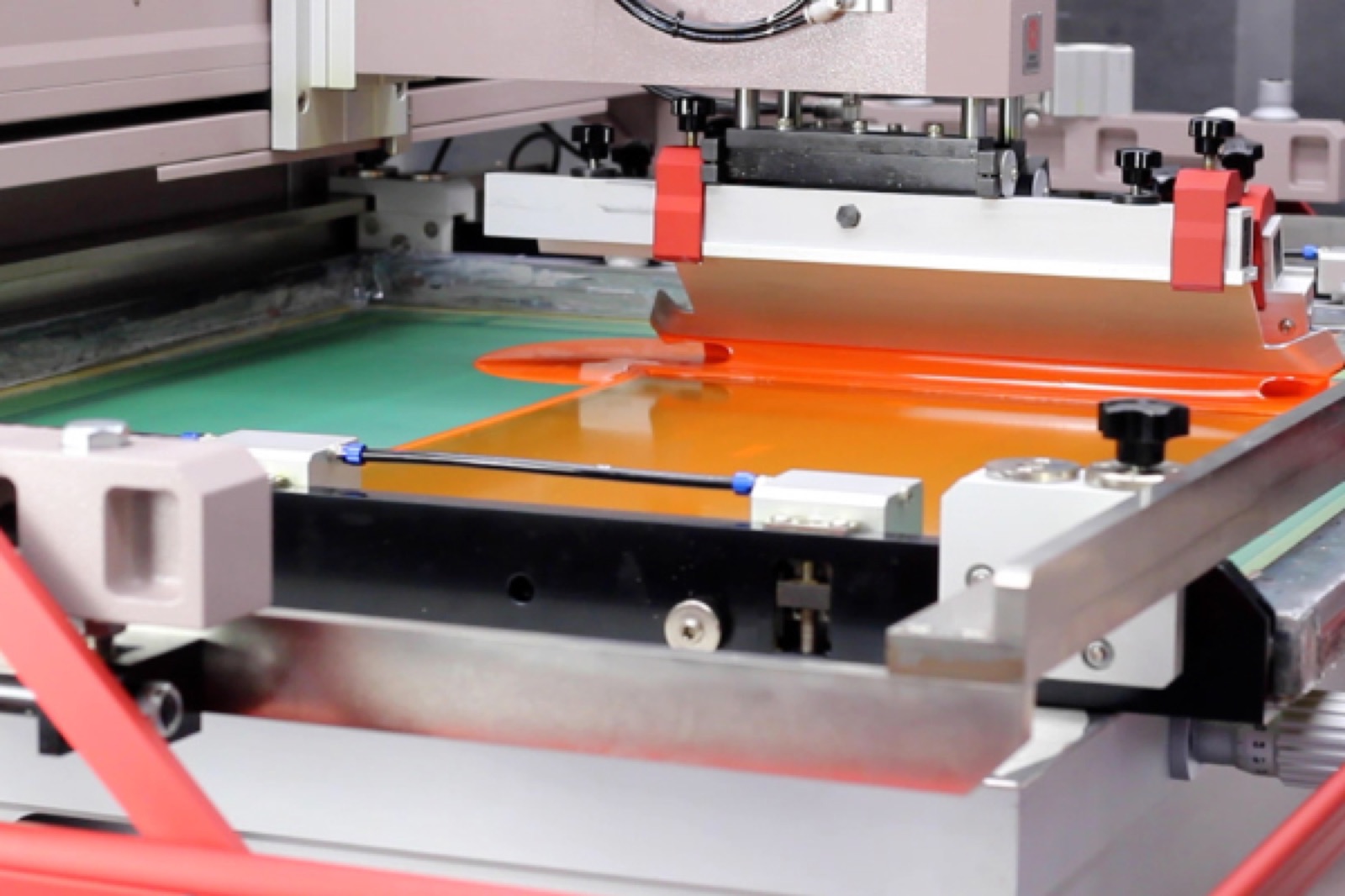
A screen (mesh) stretched on a frame carries a stencil image. Ink is forced through the open mesh areas onto the web below using a squeegee. Screen printing deposits extremely thick ink layers — orders of magnitude heavier than flexo or gravure.
Why use it
Unique ability to deposit very thick ink layers — required for specialty coatings, raised effects, and functional applications.
Common uses
Specialty inks, UV-curable thick coatings, braille, and functional printing requiring film build.
Offset Lithography
Image is transferred from a plate to a rubber blanket cylinder and then to the web — the substrate never contacts the plate directly. Less common in R2R flexible packaging but used in publication-grade web printing and some label work.
Why use it
High image quality with fine halftone reproduction; no direct plate-to-web contact protects delicate plates.
Common uses
High-quality label and publication printing.
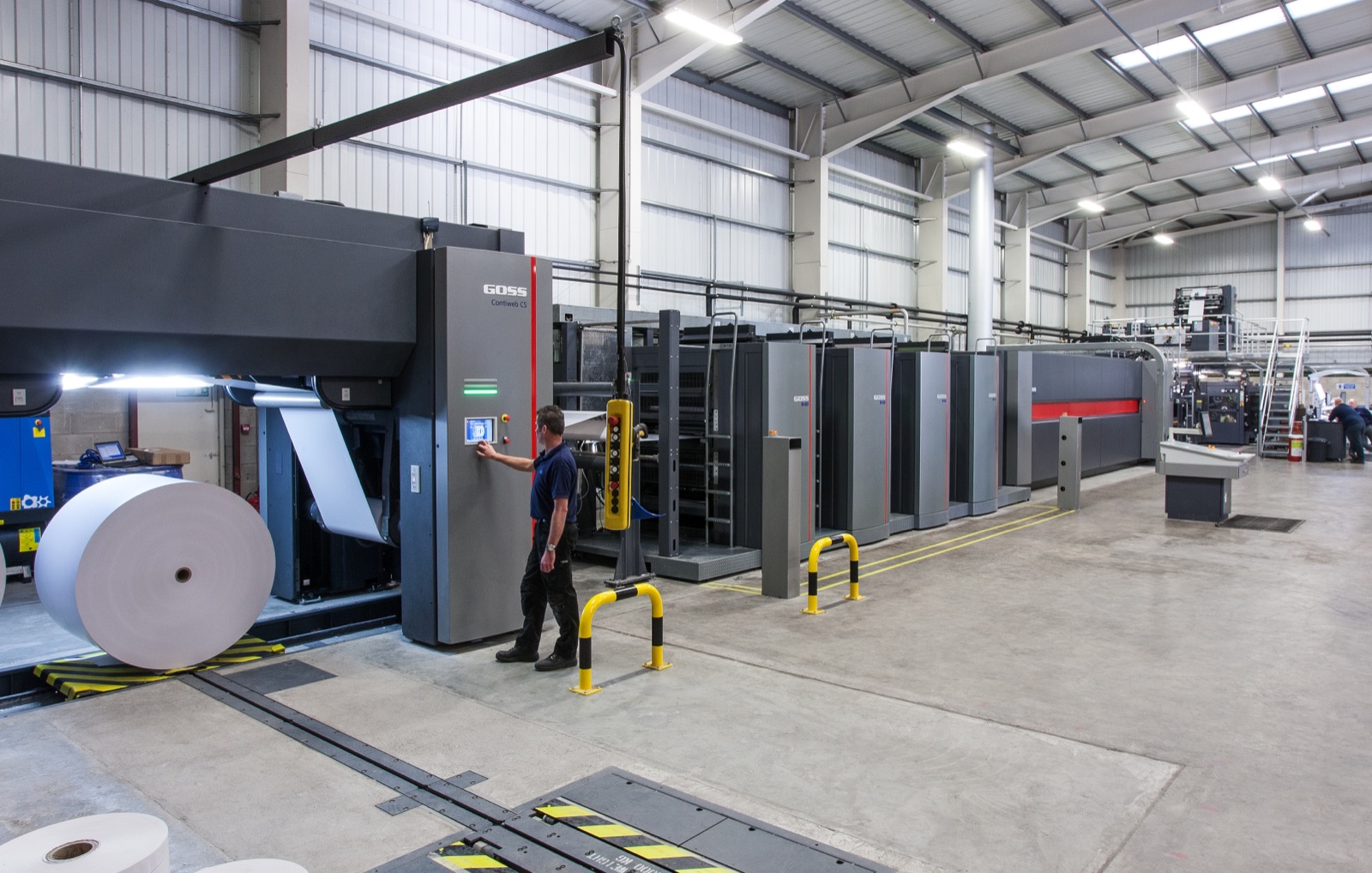
Print Method Comparison
| Method | Run Length | Setup Cost | Variable Data | Ink Film Weight |
|---|---|---|---|---|
| Flexo (CI) | Long | Moderate | No | Thin |
| Gravure | Very long | High | No | Thin |
| Digital (inkjet) | Short–Long | Low | Yes | Thin |
| Screen | Short–Med | Moderate | No | Very thick |
Print method selection and troubleshooting involves additional considerations that benefit from SME review before this page goes live.